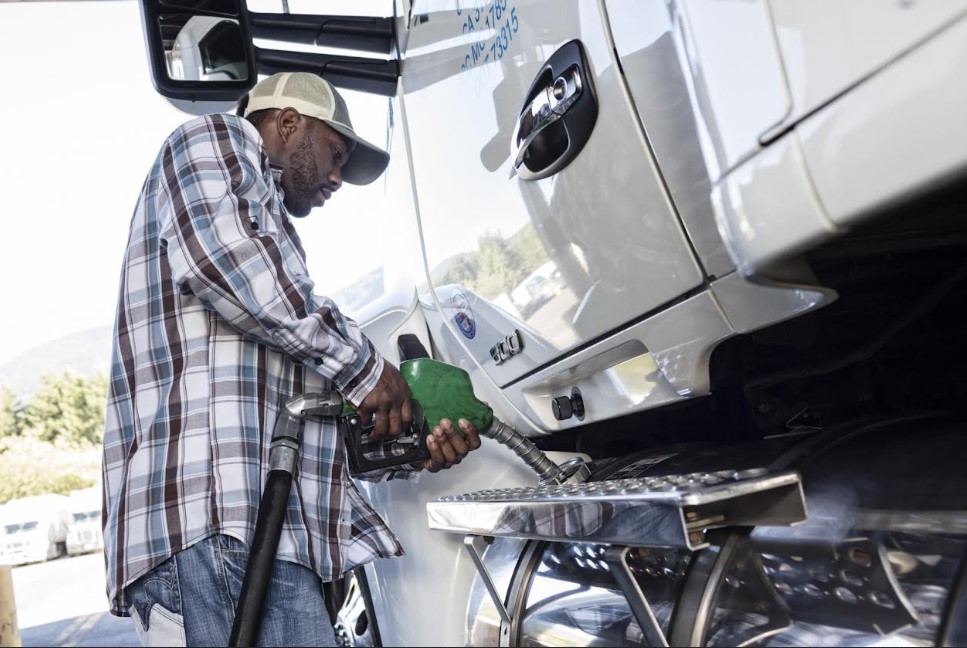
Fuel is a major operational consideration for many businesses that rely on vehicles to deliver products, provide services, or transport employees. As fleets grow and fuel transactions increase, managing fuel-related expenses can become more complex. Readers interested in learning more about fuel management resources and fleet-related solutions can visit https://www.valerofleetcards.com. Fuel management refers to the processes, tools, and strategies businesses use to monitor, track, and oversee fuel usage across their operations. By maintaining accurate records and analysing fuel-related data, businesses can gain a better understanding of how fuel is used throughout their organization and support informed operational decision-making.
What Is Fuel Management?
Fuel management is the practice of tracking and administering fuel purchases, fuel consumption, vehicle activity, and related expenses. It is commonly used by organizations that operate company vehicles, including delivery fleets, service vehicles, transportation companies, and construction equipment.
Fuel management often involves collecting and reviewing information such as:
- Fuel purchases
- Vehicle mileage
- Fuel consumption
- Driver activity
- Vehicle utilization
- Transaction history
The goal is to create greater visibility into fuel-related operations and maintain accurate records.
Why Is Fuel Management Important?
Businesses that operate multiple vehicles may process hundreds or even thousands of fuel transactions each year. Without a structured approach to fuel management, it can be difficult to organize records and monitor spending activity.
Fuel management helps businesses:
- Centralize fuel-related information
- Track fuel purchases
- Review vehicle activity
- Improve recordkeeping processes
- Support budgeting efforts
- Maintain oversight of fleet operations
The value of fuel management often depends on the size and complexity of the organization’s vehicle operations.
How Fuel Management Works
Fuel management typically involves gathering information from multiple sources and organizing it into a centralized system for review and analysis.
Fuel Purchase Tracking
One of the primary functions of fuel management is monitoring fuel transactions.
Businesses may track:
- Date and time of purchase
- Fuel station location
- Fuel type
- Quantity purchased
- Transaction amount
- Vehicle assignment
- Driver identification
Electronic transaction records often make it easier to maintain accurate documentation and review purchasing activity.
Vehicle Mileage Monitoring
Mileage information provides important context for understanding fuel usage.
Businesses may monitor:
- Odometer readings
- Distance travelled
- Vehicle utilization
- Route activity
Mileage data is often used alongside fuel transaction records to provide a more complete view of vehicle operations.
Driver Activity Tracking
Many fuel management systems allow organizations to associate fuel purchases with specific drivers.
This can help businesses maintain accountability and improve record accuracy by linking transactions to individual employees or vehicles.
Data Analysis and Reporting
Fuel management systems frequently include reporting tools that organize fuel-related information into accessible formats.
Reports may include:
- Fuel consumption summaries
- Vehicle usage reports
- Transaction histories
- Driver activity reports
- Expense summaries
These reports can assist managers in reviewing operational trends and maintaining oversight of fleet activity.
Common Tools Used for Fuel Management
Businesses use a variety of tools to support fuel management efforts.
Fuel Cards
Fuel cards are specialized payment cards used for fuel and approved vehicle-related purchases. They often provide electronic transaction records that support fuel tracking and reporting.
Fleet Management Software
Fleet management platforms can consolidate information from multiple sources and provide centralized access to vehicle and fuel data.
These systems may include:
- Reporting dashboards
- Driver records
- Vehicle tracking information
- Maintenance records
- Fuel transaction history
Telematics Systems
Telematics technology uses onboard devices and GPS systems to collect vehicle data.
Information may include:
- Vehicle location
- Mileage
- Idle time
- Route history
- Engine performance data
Telematics data can complement fuel management programs by providing additional operational insights.
Challenges Businesses May Face
Managing fuel across multiple vehicles and locations can present challenges.
Common issues include:
- Incomplete transaction records
- Manual reporting errors
- Unauthorized purchases
- Limited visibility into fuel usage
- Difficulty tracking multiple vehicles
Fuel management systems and procedures are often implemented to help address these operational challenges.
Best Practices for Fuel Management
Businesses often establish internal procedures to support effective fuel management.
Examples include:
- Maintaining accurate vehicle records
- Reviewing fuel transaction reports regularly
- Monitoring mileage information
- Creating fuel purchasing policies
- Training drivers on company procedures
- Evaluating fuel data consistently
These practices can help improve recordkeeping and support informed decision-making.
Industries That Use Fuel Management
Fuel management is commonly used by organizations in industries such as:
- Transportation and logistics
- Delivery services
- Construction
- Utilities
- Landscaping
- Government operations
- Field service businesses
Any organization that relies on vehicles may use fuel management processes to monitor fuel-related activities.
Fuel management is the process of tracking, monitoring, and organizing fuel-related activities across a business’s operations. By combining transaction records, vehicle data, reporting tools, and operational procedures, businesses can maintain greater visibility into fuel usage and fleet activity. Whether managing a small group of vehicles or a large transportation fleet, fuel management plays an important role in supporting organized recordkeeping and informed operational oversight.