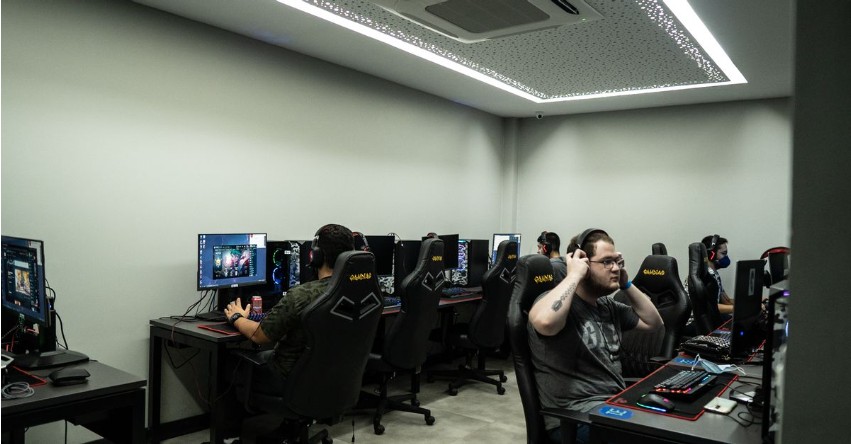
How did online gaming turn into a place where people meet, chat, and build real friendships across borders? The answer is part technology, part timing, and part human nature. As internet access spread and online play got easier, gaming stopped being something people did alone and started becoming a shared habit.
At first, players mostly connected through voice chat, text chat, and simple match lobbies. That was enough to make strangers feel familiar after a few games. Soon, people were returning not just for the matches, but for the regular conversations, the inside jokes, and the sense that someone on the other side of the screen was counting on them.
What makes this shift so interesting is that it did not stay local. Online play brought together people from different countries, time zones, and cultures, all focused on the same task. In that setting, language differences can matter less than teamwork, timing, and shared goals.
From Solo Play To Shared Spaces
Online gaming changed when players stopped seeing it only as a private pastime and started treating it like a social space.
Communication Became Part Of The Experience
Early multiplayer games showed that talking during play could be just as important as the score. Players began using chat to plan moves, joke around, and build trust. That made every session feel more personal.
As these habits grew, some communities formed around regular groups rather than single games. People logged in at the same times, met the same names, and built routines that looked a lot like meeting friends after school or work.
Shared Rules Made Connection Easier
Even when players did not speak the same language, they could still understand game systems, objectives, and signals. That shared structure made it easier for people from different places to cooperate. A teammate who knows the objective can still help, even without long conversations.
For many players, a small search for a new server or community can lead to a lasting social circle, and some even use a site like bandot to find spaces where people already gather around common interests.
Cross-Border Play Changed Social Habits
Once online play crossed borders, it started shaping how people speak, think, and relate to others.
Players Learned From Different Cultures
Regular contact with people from other countries exposed players to new slang, humor, and habits. That kind of contact can make foreign places feel a little less distant. It also teaches patience, since misunderstandings are normal when people bring different styles into the same match.
These interactions often move beyond the match itself. Players add each other, talk outside play sessions, and keep up with events in each other’s countries. A simple hobby can turn into a steady international friendship.
Trust Grew Through Repeated Play
Trust does not come from one match alone. It grows when players show up again and again, play fairly, and help the group improve. Over time, that repeated contact can matter more than location. A teammate from another continent may feel closer than a neighbor you barely know.
Some communities are easy to find through familiar names, and bandot88 is one example of how online spaces can help people connect around common play patterns and chat habits.
Why The Social Side Keeps Growing
The social part of gaming keeps growing because people like being noticed, supported, and included.
Streaming And Voice Chat Made It More Personal
Live voice chat, video, and stream chats made players more visible to one another. Instead of only seeing usernames, people could hear tone, react in real time, and feel part of something active. That made the experience feel less isolated and more human.
Online Play Fits Modern Life
Busy schedules often make face-to-face hangouts harder. Online gaming gives people a flexible way to stay in touch without needing to be in the same place. For many, that makes it one of the easiest ways to maintain friendships across borders.